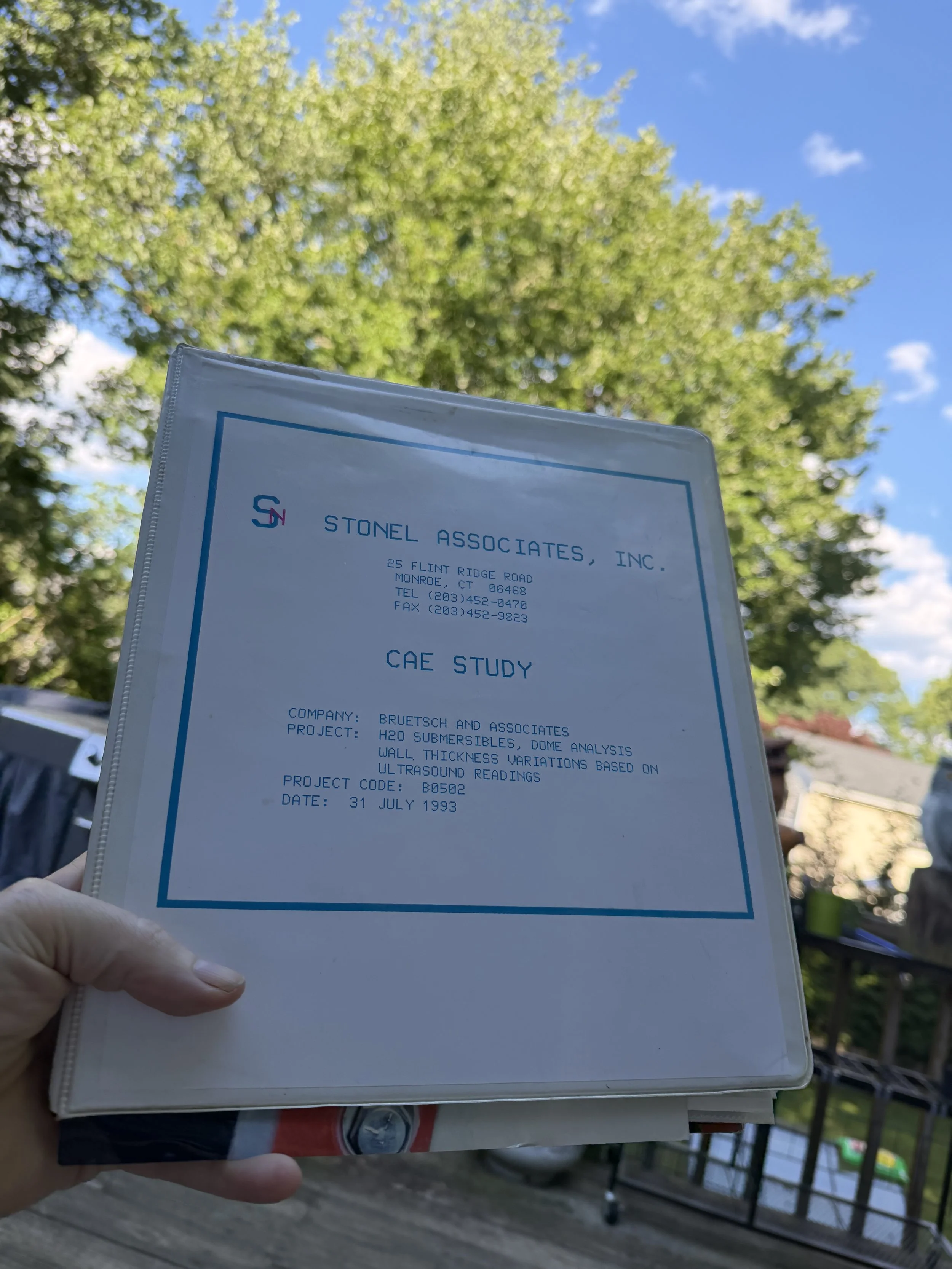
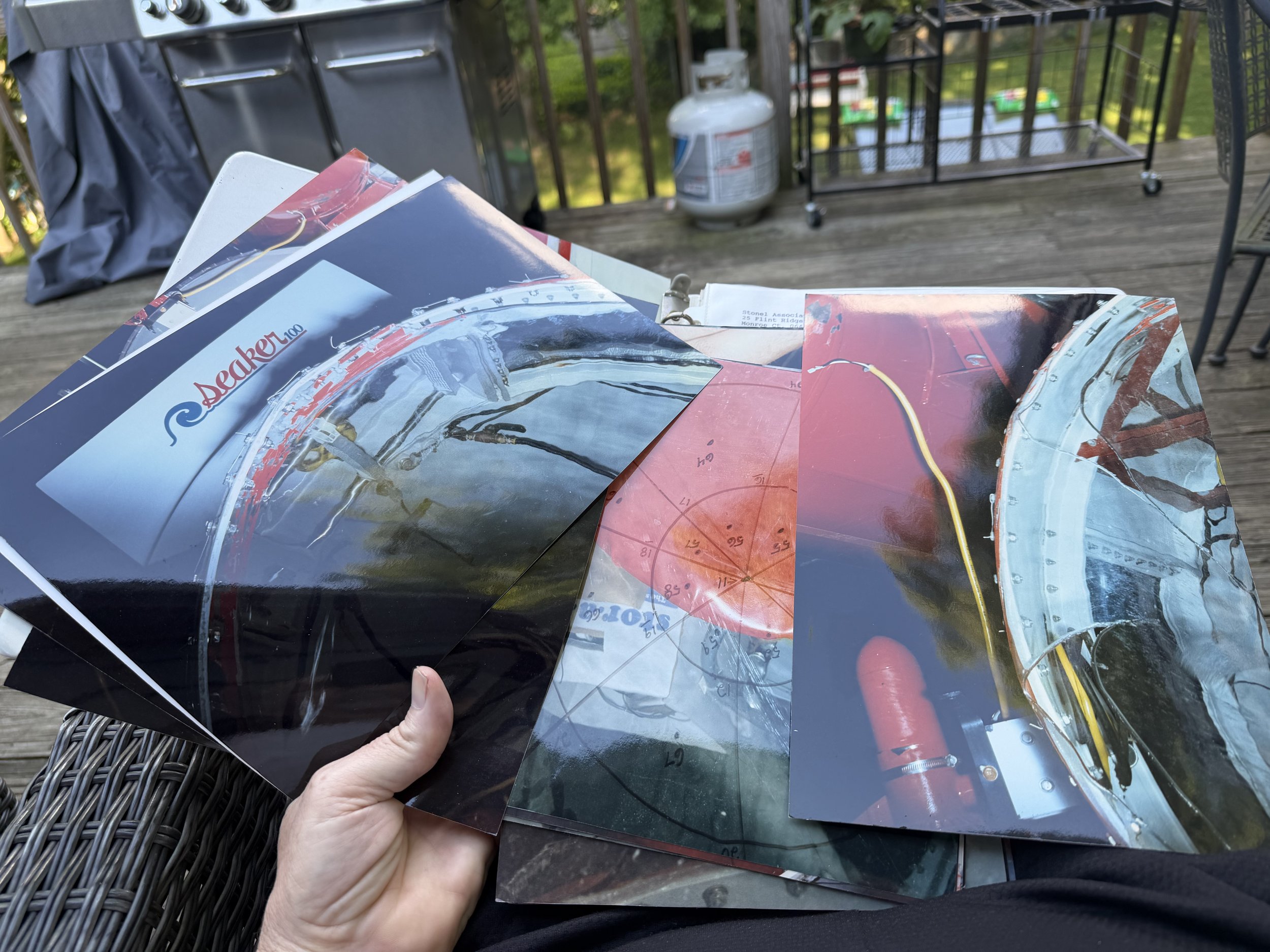
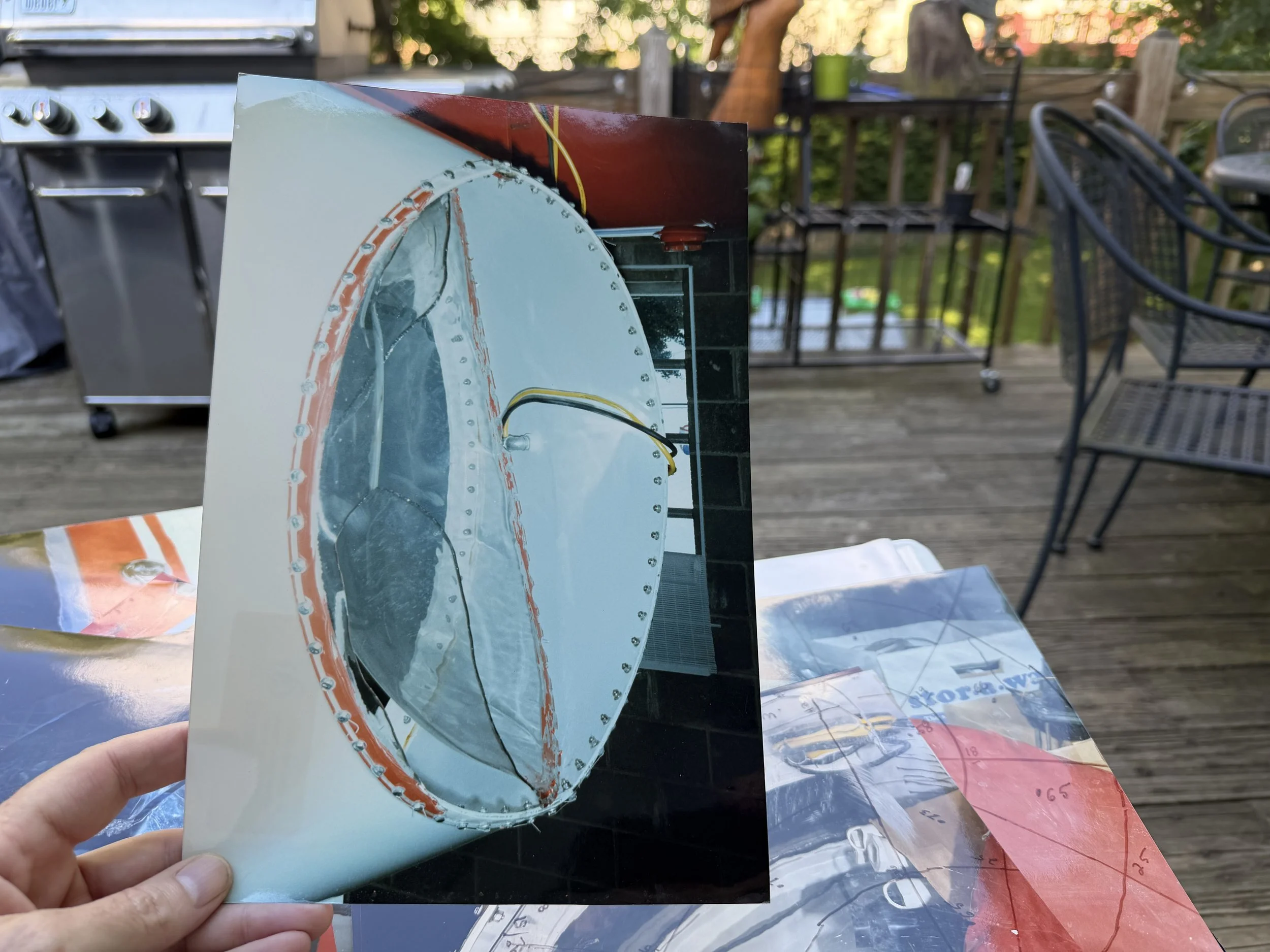
Seeker 100 Tragedy
Lessons from tragedy
In 1990, I stood in a courtroom explaining to grieving parents why their son—a 29-year-old engineer chasing his dream—had died in 40 feet of water.
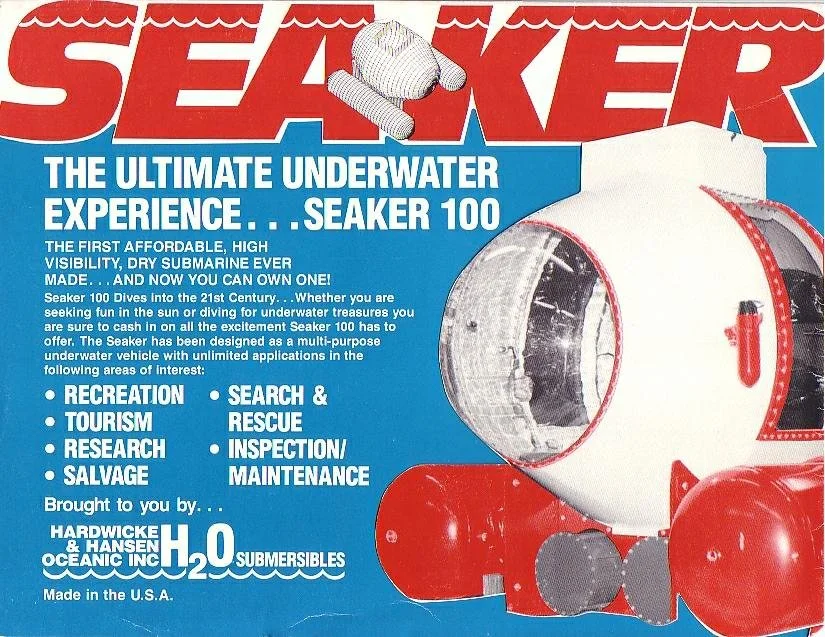
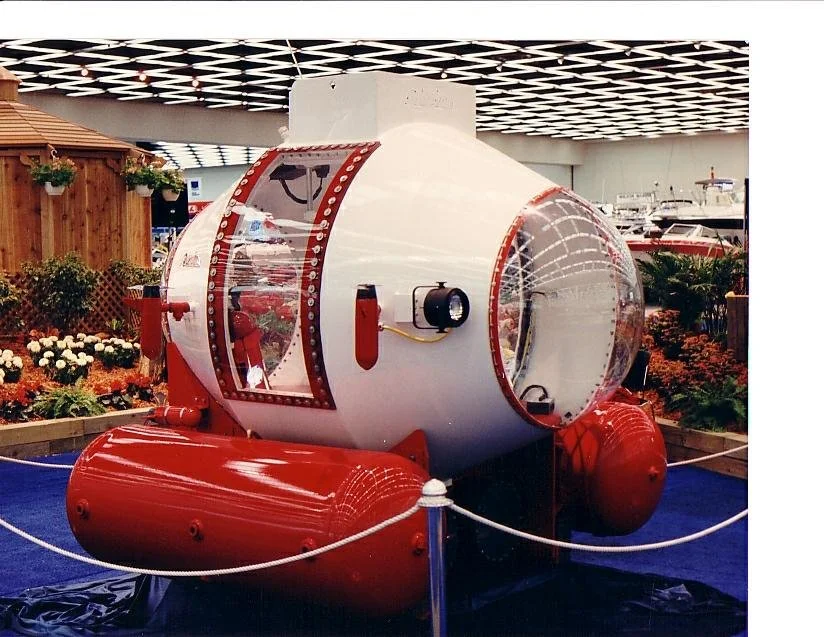
His name was Carl Hardwicke. He and his partner Gregory Hansen had spent six years building the Seaker 100, an 8-foot recreational submarine designed to let ordinary people explore underwater worlds. They showcased it at boat shows.
They secured orders. The dream was becoming real.
Then, during a test dive in Green Lake, Michigan, the submarine imploded. Carl died. Greg survived with severe injuries.
What I discovered changed how I think about engineering forever.
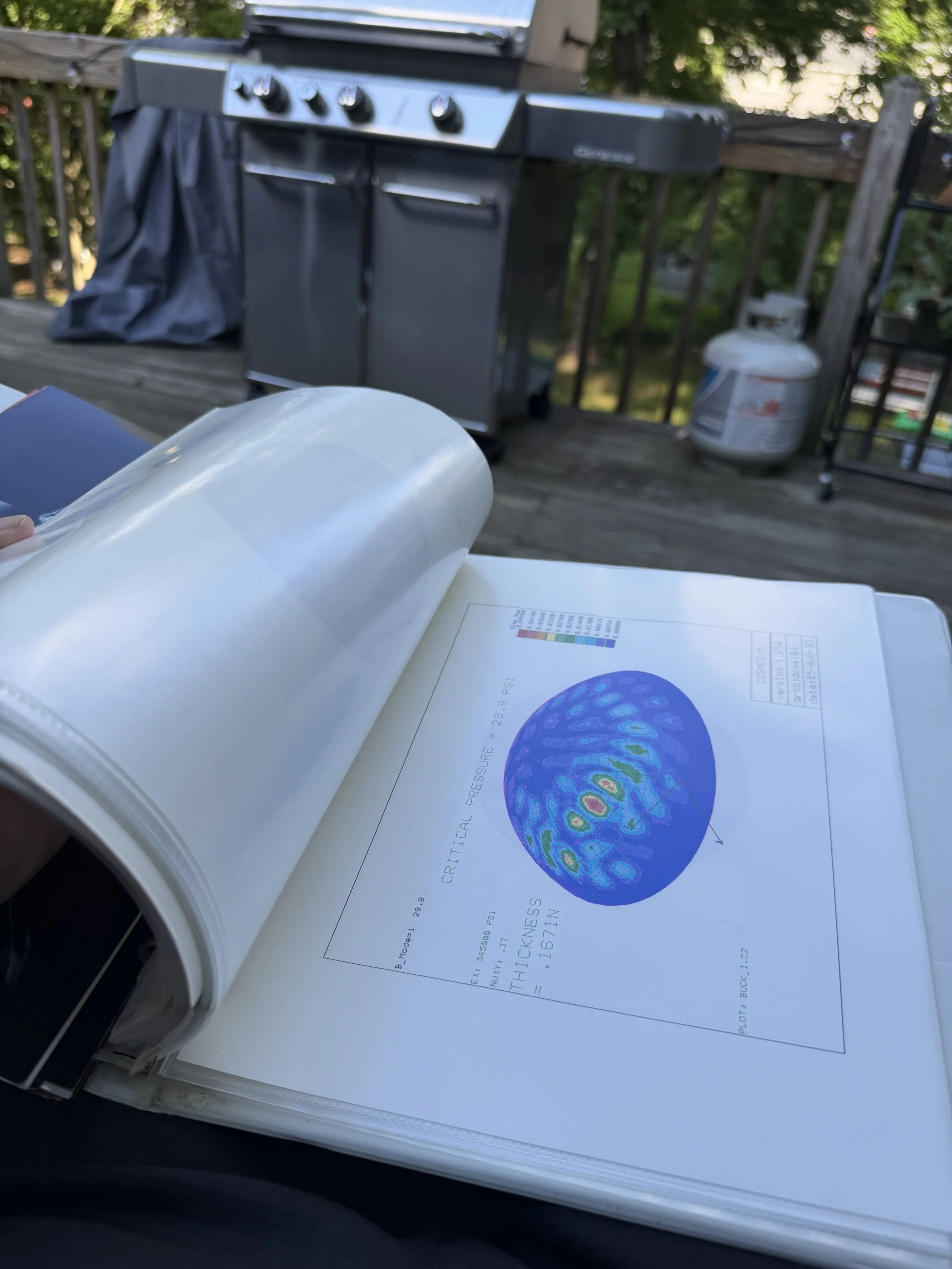
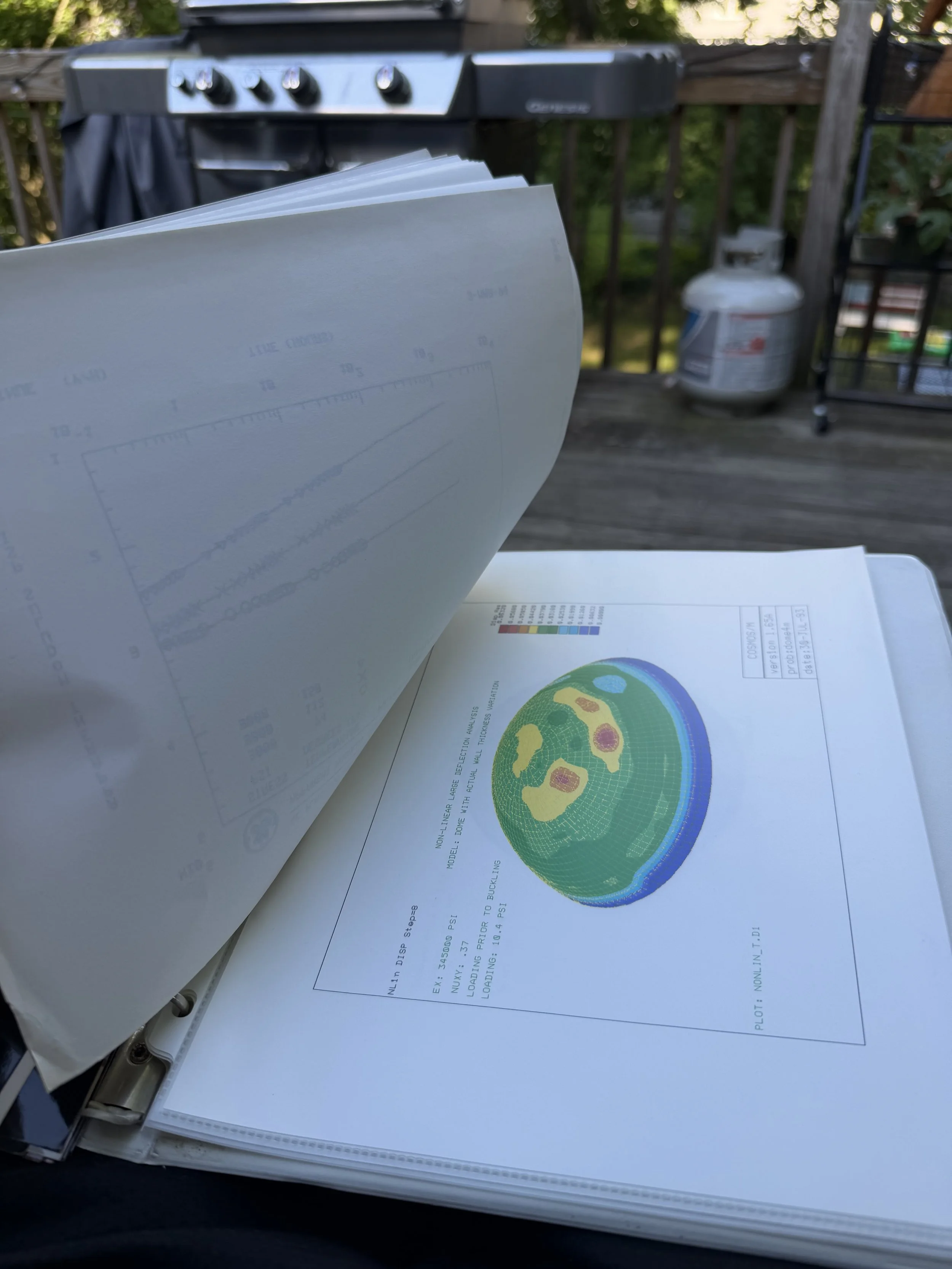
The failure wasn't about hitting a log, as newspapers speculated. It wasn't Carl's design mistake. It was something far more insidious: the gap between manufacturing reality and engineering analysis. Thin spots created during vacuum forming—invisible to standard inspection—turned a promising innovation into a tragedy.
Thirty-five years have passed. Carl's parents have both passed away. I've carried these lessons throughout my career, teaching them in classrooms and consulting rooms, but always privately, always carefully.
But the lessons from this tragedy are too important to keep locked away. Carl deserves to be remembered not as a cautionary tale, but as a courageous innovator whose story can protect future dreamers.
So I offer this case study to honor Carl's memory and all those engineers who have the courage and curiosity to pursue their dreams.
The essay covers:
The full story and what really happened
How I went from behind-the-scenes consultant to "accidental expert" witness
Four critical lessons every engineer should understand
Why holistic engineering isn't optional—it's our responsibility
After 44 years in this field—from my two-year technical degree at Norwalk State Tech to expert witness work to teaching at Fairfield University—I've learned that the most dangerous failures hide in the spaces between what different experts know.
We advance not by stopping innovation, but by integrating knowledge across disciplines. Not by fearing failure, but by learning from it. Not by working in silos, but by synthesizing the whole picture.
Read/Listen the full essay and audiobook link in comment
For practicing engineers: What systems do you have to integrate knowledge across manufacturing, design, and materials?
For students: How are you learning to see beyond your specialization?
For leaders: How do you encourage both innovation and integration in your teams?
Carl Hardwicke deserved better than what the system gave him. We owe it to every engineer pursuing a dream—and every person who will use what we create—to do better.
Let's keep dreaming. Let's just dream holistically.
============================================================================
In memory of Carl Hardwicke (1961-1990), whose dream of underwater exploration and whose tragic death both contributed to our understanding of why holistic engineering isn't optional—it's our responsibility.
In honor of Gregory Hansen, who survived to carry forward the lessons of that terrible day.
In tribute to Roger and Jane Hardwicke, whose love for their son and quest for truth helped ensure that his death would teach rather than merely haunt.
And in celebration of all those engineers, inventors, and dreamers who have the courage and curiosity to pursue visions of what could be—may we support your dreams with wisdom, honor your courage with integrated understanding, and ensure that your innovations rest on foundations as bold and beautiful as your imaginations.
This is how we remember. This is how we learn. This is how we dream forward.
==========================================================================
Link to my Dropbox with full essay and audiobook